News & Updates
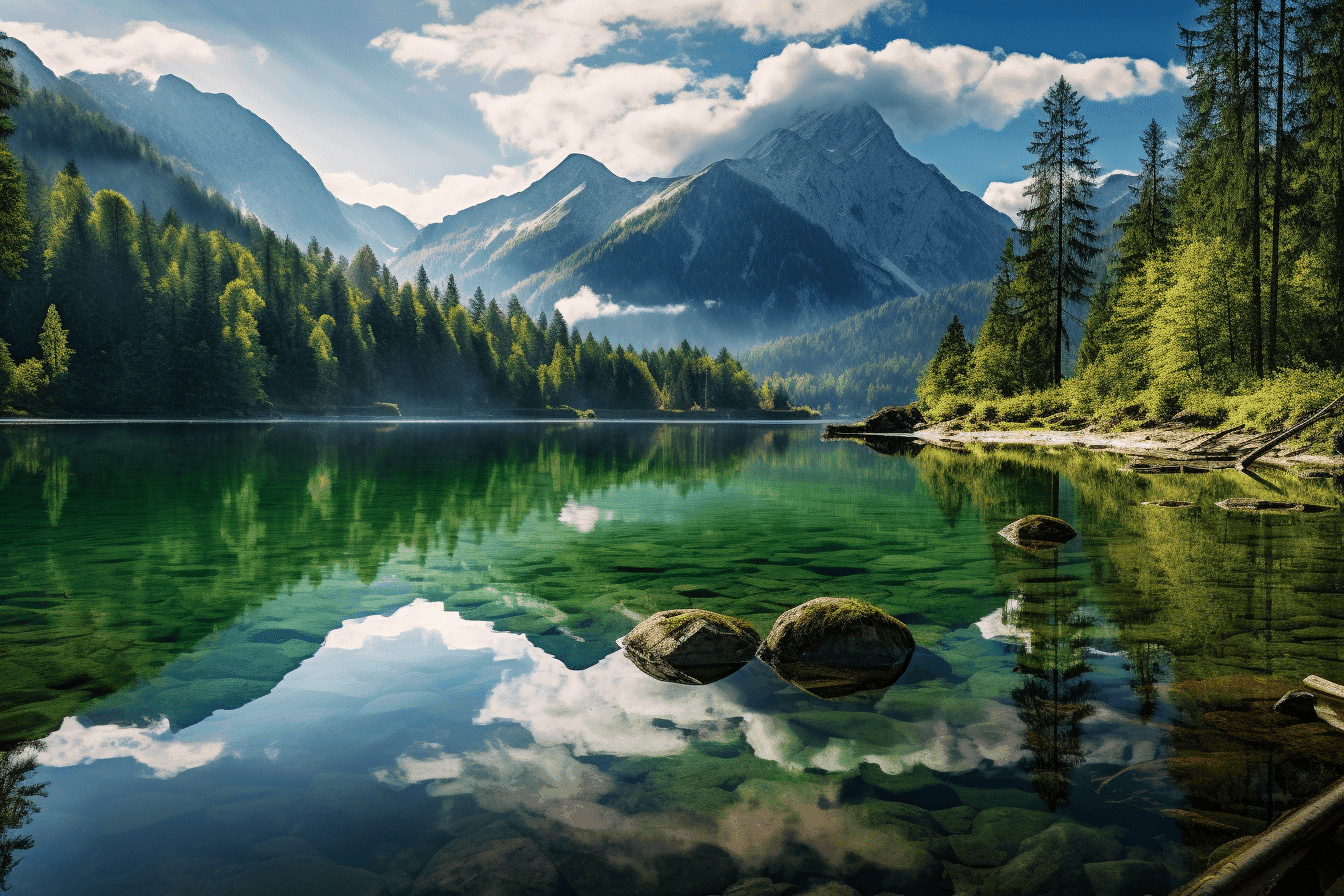
8 of the best places to visit in Germany
Hugh McNaughtan Wed, Feb 12, 2025
1. The Middle Rhine Valley (the Rhine Gorge)
As the Rhine, Germany’s second-longest river, flows south from Koblenz, it cuts a gorge through a gasp-inducing landscape of vineyards and castles. The stretch between Koblenz and Rüdesheim, known as the Oberes Mittelrheintal (Upper Middle Rhine Valley) is so special it won UNESCO World Heritage listing in 2002. A land heavily contested over the centuries, the Oberes Mittelrheintal harbors wonderful castles like Pfalzgrafstein, Burg Rheinstein, Burg Reichenstein and Koblenz’s mighty Festung Ehrenbreitstein.
2. Cologne Cologne (Köln) is known for its liberal climate and its wealth of historic sights. Taking its name from the Romans (who founded it in the first century CE as Colonia Claudia Ara Agrippinensium), it’s been a major center of German history for centuries. The most tangible symbol of Cologne’s importance and the essential sight is its magnificent 13th-century Gothic cathedral. The Kölner Dom is Germany’s largest church, and was also Europe’s highest building until eclipsed by the Eiffel Tower. Other must-see historical and cultural attractions include the Römisch-Germanisches (Romano-Germanic) Museum and the sublime collection of 13th- to the 19th-century European art at the Wallraf-Richartz-Museum & Fondation Corboud.
3. The Baltic Coast Northern Germany’s Baltic Coast represents a side of the country not many visitors anticipate. The indented southern coast of the Baltic Sea hides great swathes of pure sand, susurrating pines and pristine nature sanctuaries. Highlights include the former Hanseatic power Stralsund, a classic of red-brick Gothic gabled architecture; the sheer cliffs of Jasmund National Park on Rügen Island; and the birdlife and beauty of the Darss-Zingst Peninsula.
4. Rothenburg ob der Tauber Perhaps the most enchanting village along the entire 400km (250 miles) of the Romantic Road, Rothenburg ob der Tauber (meaning “above the Tauber river”) is a wonderfully preserved example of a medieval German village. Strict heritage protection ensures that every turn reveals meandering cobbled lanes, glimpses of the intact city walls and venerable churches. See the local treasures collected in the Reichsstadtmuseum, housed in a former Dominican convent, and the Alt-Rothenburger Handwerkerhaus, where weavers, potters and other craftspeople ply their trade as they have done for over seven centuries.
5. Munich and the Bavarian Alps Munich (München), the capital of the Free State of Bavaria (Freistaat Bayern) is the city most visitors associate with “classic” German culture – for while Germany is in fact a patchwork of cultures and dialects, it’s often the Bavarian model of Bierkellers, Bratwurst and Lederhosen that outsiders have in mind. Munich is no cliché, though: Germany’s third-largest city is a center of high-tech manufacturing and cutting-edge culture, as well as the gateway to the magnificent Bavarian Alps. Essential sights and experiences include the Residenzmuseum, the former palace of Bavaria’s ruling Wittelsbach dynasty; the museum-packed Kunstareal district; and the gracious 17th-century Schloss Nymphenburg. An easy drive south of Munich lie the forested mountains, photogenic villages and ski- and spa-resorts of the beautiful Bavarian Alps.
6. Erfurt and Weimar The proximate central-German cities of Erfurt and Weimar represent an astonishing concentration of cultural achievement and historic significance. Erfurt, capital of Thuringia, has one of Germany’s loveliest medieval centers, while Weimar stands tall as the capital of the eponymous 20th-century Republic, and before that the home of cultural luminaries such as Bach, Goethe, Schiller and Nietzsche. Erfurt’s essential sights include its cathedral, where Martin Luther was ordained, and the vast, baroque Zitadelle Petersberg. In Weimar, make time for the Goethe-Nationalmuseum, in a building that was the author’s home of 50 years; the UNESCO-listed Herzogin Anna Amalia Bibliothek; and the modernist treasures of the Bauhaus Museum, which also originated here.
7. The Black Forest Bordering France and Switzerland, the Black Forest (Schwarzwald) is a vast woodland of more than 6000 sq km (2316 sq miles). From its spruce-swaddled slopes to deep valleys broken by silvery lakes and traditional villages and farmsteads, this diverse rural playground just begs to be explored by car, cycle or foot. If you’re pressed for time, a drive along the Schwarzwaldhochstrasse (Black Forest High Road) from Baden-Baden to Freudenstadt unfurls a series of gorgeous vistas. If you have more time, consider hiking the 40km (25-mile) Panoramaweg or the 12km (7.5-mile) Feldberg–Steig to the forest’s highest peak. Population centers you should definitely include on your visit include Triberg, with its waterfall and cuckoo clocks; the laid-back university town of Freiburg; and Alpirsbach, with its 11th-century Benedictine monastery.
8. Berlin No list of German highlights would be complete without the country’s capital and dynamic cultural engine room. Germany’s most populous city, Berlin is a bountiful beast of a place, with some of the country’s definitive museums, dining, art and – perhaps above all – nightlife. Boisterous Berlin has long had a bohemian streak. While you should definitely make time to for cultural highlights like the Mies van der Rohe–designed Neue Nationalgalerie and the treasure trove that is Museumsinsel (Museum Island), those seeking a party will surely find it in iconic venues like Berghain and Pratergarten, where beer and bonhomie have flowed together since 1837. As ever, Berlin’s party people continue to innovate.
NOTE: To book for venues and events, visit: www.micegermany.de
More articles for you
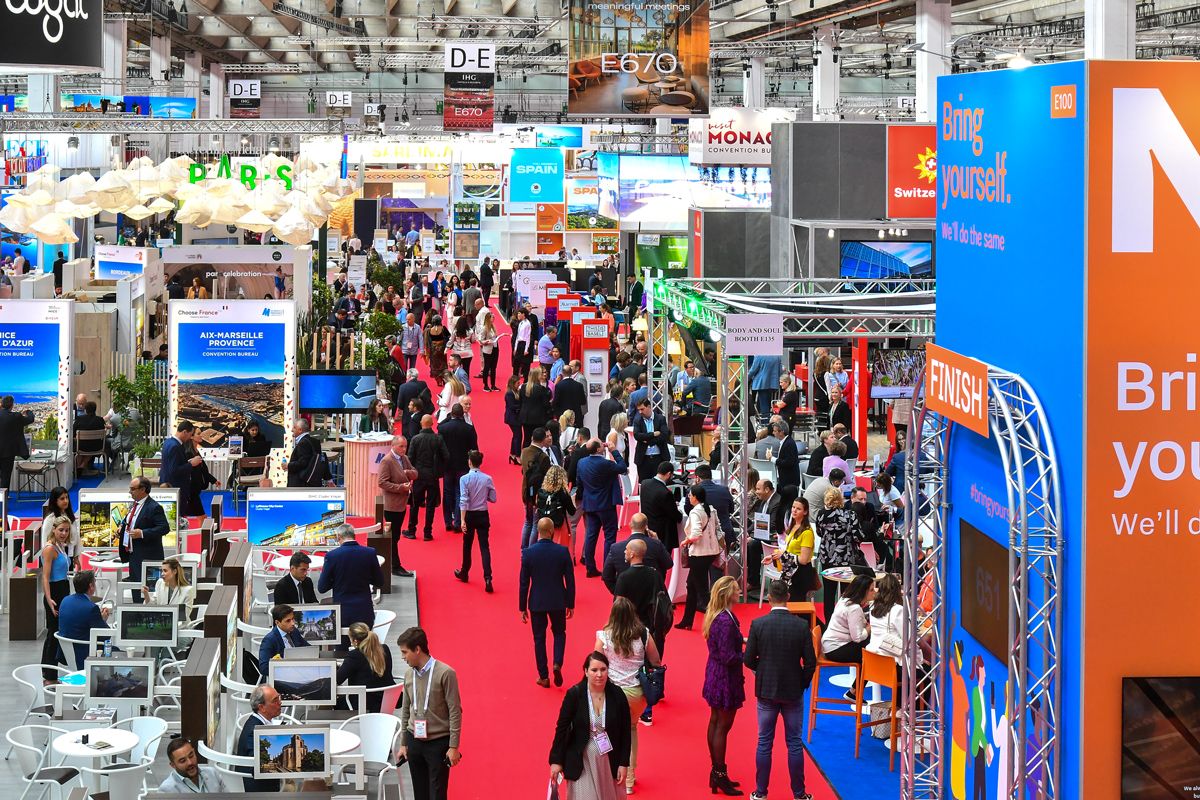
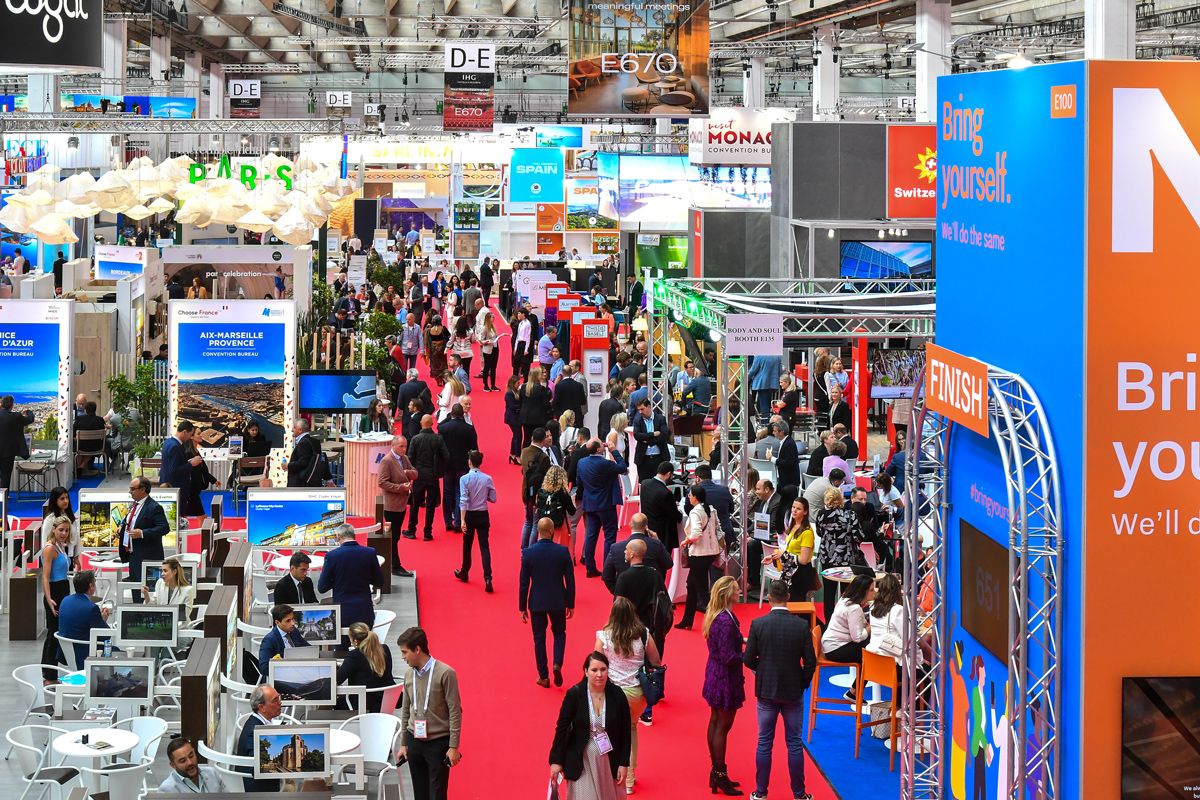
Why IMEX 2025 Was More Than Just a Trade Show
Fri, May 23, 2025 4 Mins
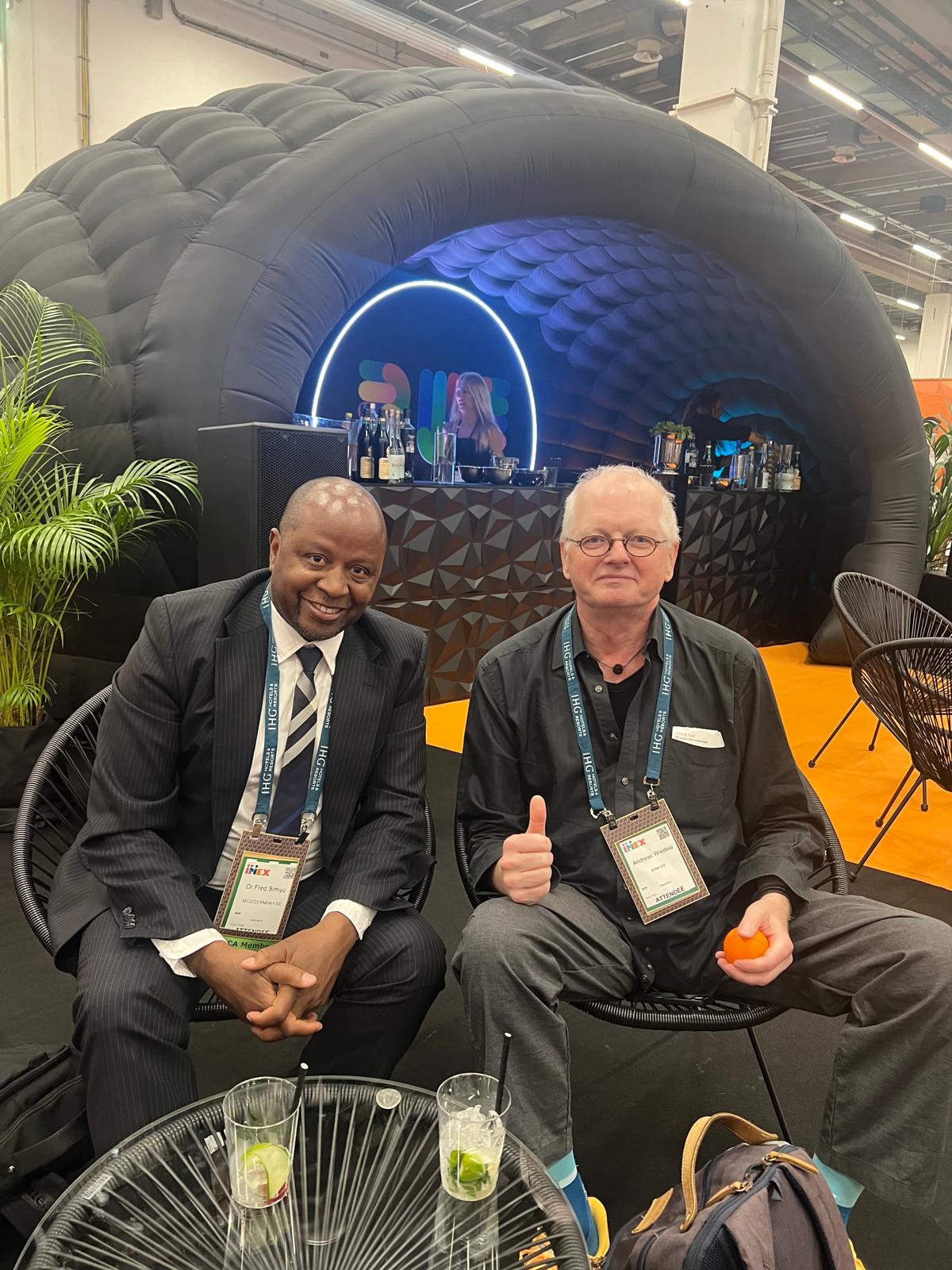
Chairman of MICEgermany.de Showcases Innovation at IMEX Frankfurt 2025
Thu, May 22, 2025 6 Mins
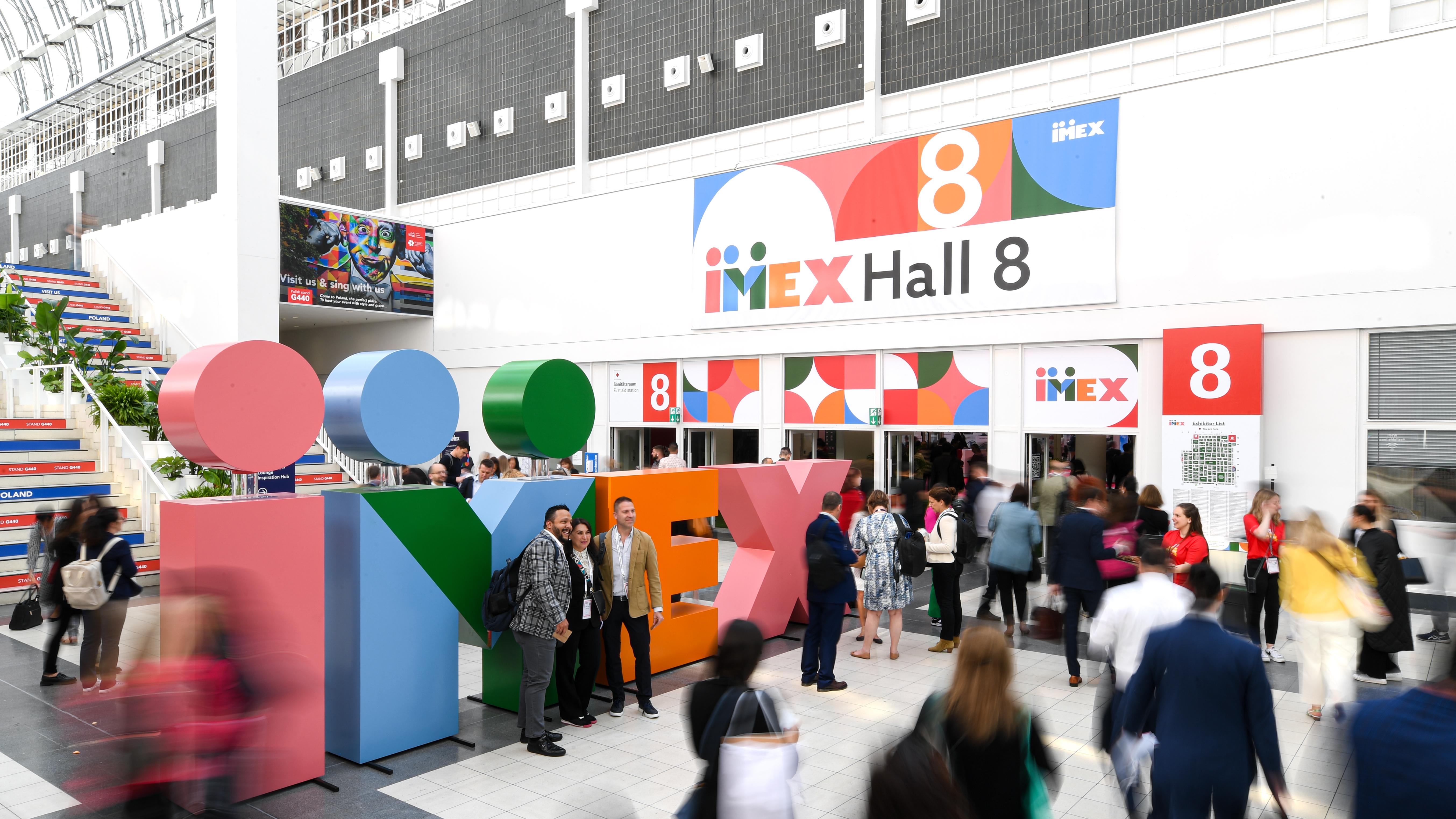
Record-Breaking IMEX Frankfurt Kicks Off, Celebrating Global Industry Growth
Thu, May 22, 2025 3 Mins

Emotional Design and Human Connection Lead Conversations on Opening Day of IMEX Frankfurt 2025
Wed, May 21, 2025 5 Mins

Events industry prepares for IMEX Frankfurt
Tue, May 20, 2025 5 Mins