News & Updates
How MICE Tourism Is Quietly Dominating Global Travel
Marc Truyols Thu, Apr 10, 2025
MICE tourism—short for Meetings, Incentives, Conferences, and Exhibitions—is a crucial segment in the travel and hospitality industry that focuses on business events and caters to corporate travelers. MICE is one of the key drivers of travel in the world and a major contributor to the economy.
The MICE market size was estimated at $886 billion in 2024 and is expected to grow to $1931 billion by 2033. Perhaps even more telling is that business travel, a great percentage of which is oriented around MICE events, has outpaced leisure tourism in 2024, growing at 19% compared to 11%.
Everyone benefits from MICE events, and not only host destinations, corporate travel agents, and event planners and organizers. By facilitating networking, knowledge exchange, and industry development, the MICE industry serves as a global meeting point that fosters creativity and innovation.
MICE also represents a profitable opportunity for travel agents and online travel agencies (OTAs). This post is for all travel professionals interested in joining this industry, learning how to create specialized travel packages for event attendees, and capitalizing on the steady demand for MICE.
What Is MICE Tourism & Its Key Components?
MICE is an acronym that stands for Meetings, Incentives, Conferences, and Exhibitions. Together, these four pillars form a special subset of the travel and hospitality industry that is associated with business events and corporate gatherings, many of them attracting thousands of visitors.
Industry professionals sometimes refer to MICE as the “events industry” or “meetings industry,” but both of these terms lack precision.
While meetings range from small gatherings of up to 50 people to large corporate meetings with up to 1,000 participants, exhibitions and trade shows can have over 10,000 visitors. And there are many other differences between meetings and incentives, conferences, and exhibitions.
As opposed to the “meeting industry”, which is too narrow to cover all MICE events, the term “events industry” is far too broad.
Whether or not events like concerts and festivals fall under MICE is a subject of debate. Modern MICE events often feature entertainment and cultural events to attract more visitors or showcase the host’s heritage, community, or lifestyle, but they are technically not a part of MICE.

Meanwhile, MICE events continue to boost local tourism and economies. They facilitate relationship building, lead generation, and creative collaboration for businesses large and small, allowing them to promote their brands, products, and services in front of a global audience.
Whatever we call it, MICE is a vital segment of tourism that cannot be taken for granted and deserves recognition and continuous improvement across all four of its components.
So, what types of events are included in the MICE industry? Let’s find out.
Meetings (M)
Traditionally, meetings are small-to-medium gatherings that facilitate corporate discussions and training, with a strong focus on decision-making and knowledge exchange.
Meetings are a key driver of the MICE industry because they usually attract high-value travelers, such as executive-level businessmen who stay in upscale accommodations, dine at premium restaurants, and spend money on upper-class services, leaving a lasting economic impact.
Infrastructurally developed cities with conference facilities, such as Singapore and Geneva, often become go-to destinations for corporate meetings. In many of them, a certain number of hospitality businesses, often built in proximity to conference halls, specialize in corporate travel.
Incentives (I)
Incentive travel rewards employees and partners for their contribution to the corporation’s goals and motivates them to keep up the good work. These are often group travel programs that encourage team building in exotic or luxurious destinations like Hawaii, Italy, and Thailand.
Similarly to MICE meetings, incentive trips give a significant boost to local hospitality sectors and host economies in general. More often than not, they involve high-end hotels, fine dining, exclusive group tours, and VIP experiences that immerse travelers in local cuisine and art.
Conferences (C)
Rather than corporate rest and relaxation, conferences create opportunities for networking, knowledge exchange, and professional development. They gather experts and thought leaders from various industries for lectures and workshops that usually last for multiple days.
Conferences don’t contribute to local tourism and the economy in the same way as meetings and incentives do. However, they do bring large numbers of international travelers for multi-night trips once or twice a year, which boosts spending on hotels, transportation, and dining.
Exhibitions (E)
Exhibitions are the largest and most significant MICE events, attracting tens of thousands of visitors and exhibitors. They give businesses from all over the world a platform to launch, showcase, or promote their products and innovations to potential clients, partners, and the general public.
In addition to travel and hospitality, exhibitions often support the growth of industries like construction, transportation, retail, and entertainment. They require large-capacity halls and modern infrastructure, so they often drive significant investments in urban and tourism development.
International Expositions (EXPOs) are the world’s most-visited conferences. In 2020, Expo attracted over 24 million visitors to Dubai at the height of the global coronavirus pandemic.
Examples of MICE Tourism
EXPO is the world’s most famous MICE event and an excellent example of how this type of travel helps destinations show—and improve—their hospitality and tourism potential.
In preparation for the Expo ‘98, the city of Lisbon invested in modernizing a decaying industrial district along the Tagus River and transformed it into a vibrant urban area known as Parque das Nações. New buildings, commercial and residential alike, were designed by up-and-coming Portuguese architects, creating a new, upscale district in Lisbon and catapulting local artists to fame.
In addition to Parque das Nações, Lisbon completed several other infrastructure projects that have since become symbols of the city, including Vasco da Gama Bridge, one of the world’s largest, Estação do Oriente, a major railway station, and 9 metro stations leading to the expo site.
The event attracted 11 million visitors over 132 days and left a lasting legacy that continues to attract foreign tourists and investors to Lisbon almost three decades after Expo ‘98.
Top-Performing Destinations for MICE Tourism
Stories like these can be heard all over the world. Lisbon remains one of the most popular destinations for MICE tourism—it’s been the recipient of the World Mice Award for Europe’s Best MICE Destination for two years in a row, 2023 and 2024. Other destinations on the list are:
| Best MICE Destinations for 2024 (World MICE Awards) | ||
| Region | Destination | Tourism Growth from 2023 |
| World | Dubai (UAE) | 9% |
| Africa | Cape Town | 16% |
| Asia | Ho Chi Minh City (Vietnam) | 18.8% |
| Caribbean | Jamaica | 4.88% |
| Europe | Lisbon (Portugal) | 10.9% |
| Indian Ocean | Mauritius | 7% |
| Latin America | Lima (Peru) | 29% |
| Middle East | Dubai (UAE) | 9% |
| North America | Los Angeles (California, USA) | 2.44% |
| Oceania | Melbourne (Australia) | N/A |
Every destination that has been crowned the best regional MICE host in 2024 has recorded a tourism uptick in the number of international arrivals and overall spending in the sector.
Some, like Ho Chi Minh City in Vietnam, are reporting exceptional numbers. MICE events and corporate travelers are a big part of this destination’s ambitious plan for 2025, when tourism is expected to grow a mind-boggling 40%. This regional market is dominated by fierce competitors like Thailand, Malaysia, and Indonesia, and Vietnam is aiming to differentiate itself as a capable MICE host.
Other destinations that have already built a reputation in the MICE industry, like Singapore, Barcelona, and Dubai—the world’s unofficial capital of corporate travel—have all invested in facilities, urbanization, and infrastructure to attract mega-events and have benefited multifold from this:
- Singapore built the Marina Bay Sands Convention Centre and the Singapore Expo, creating a regional hub for MICE events that continue to support local hoteliers.
- Barcelona’s MICE offerings invite visitors to “discover hidden gems, revitalized venues, and fresh opportunities,” upselling MICE travelers on experience-based tourism.
- Dubai’s Expo City and World Trade Centre bring in millions of business travelers each year. Some estimate that Dubai MICE events generate 10.9 million jobs for the locals.
How Different Industries Leverage MICE Tourism
In addition to creating jobs and work opportunities, events like these help businesses from various industries build connections, improve brand presence, and promote their products and services. There are many annual MICE events dedicated exclusively to these industries:
- Technology and IT,
- Healthcare,
- Education,
- Automobile,
- Retail and fashion,
- Manufacturing and logistics,
- Entertainment and media,
- Finance and banking.
Take the Consumer Electronics Show (CES) as an example. CES is one of the largest and most influential tech trade shows in the world, and it is organized annually by the Consumer Technology Association (CTA) in Las Vegas, USA. In 2024, CES had a total of 4,300 exhibitors and 138,739 attendees.
According to the organizer, 40% of the total attendees (56,432) were international guests who flew in from more than 150 countries, occupying local hotels, restaurants, and casinos. The event employed 350 electricians and 500 stage technicians and awarded close to $200,000 in Green Grants.
But, first and foremost, CES provides a platform for startups and global tech giants to meet with potential investors, clients, and partners. The event often hosts keynote sessions with IT leaders like Shelly Palmer, Jensen Huang, and Mark Zuckerberg, showcasing the industry’s latest achievements.
Why MICE Tourism is Important for the Travel Industry
Large-scale MICE events like the Expo and CES are major drivers of the global travel industry, but they are not the only contributors. Smaller events like meetings and incentives are just as important for tourism and hospitality, especially in less visited regions and during the off-season months:
- 21% of business travelers take a sales meeting trip at least once a month.
- Businesses spend $4,900 on average on incentive travel for one person.
In 2024, 63% of respondents said they expected to visit at least one conference or exhibition. Large or small, MICE events collectively represent around 7% of the entire tourism industry.
In which ways does this affect travel and hospitality businesses? MICE tourism is…
- A key contributor to local economies at host destinations;
- A driver of demand for hotels, flights, and related services;
- A major source of revenue for travel agents and OTAs;
- A guarantee of consistent demand (no matter the season).

According to the 2024 Business Travel Index Outlook report, an average business traveler spends $834 on a corporate trip. This includes accommodation, transportation, food, and more:
- $312 on accommodation
- $176 on flight tickets
- $103 on ground transport
- $153 on food and beverage
- $82 on other expenses
The majority (two-fifths) of standard business trips, usually organized around a MICE event, lasts three to five nights (40%). Two-night stays are also very common (one-third or 32%).
But an interesting fact is that 58% of these travelers extend their trips for leisure or vacation, potentially spending money out of their own pocket in addition to corporate spending.
Last year, business travelers spent an estimated $1.2 trillion on accommodation, venues, transportation, and other travel essentials, such as food, creating a $662.6 billion GDP for the industry. Host destinations split this money, but it stays within the global travel and hospitality sector.
Economic Impact on Destinations
In addition to direct economic impact, which generates revenue for hoteliers and other local providers of travel and hospitality services, MICE events also have an indirect economic impact on host destinations. Everything that business travelers do in their free time falls in this category.
Directly or indirectly, MICE events help host destinations’ economies with:
- Increased local spending on accommodations, transportation, and restaurants;
- Attracting high-value tourists who often extend their trips for leisure activities;
- Job creation for local event planners, organizers, technicians, and suppliers;
- Infrastructural development that attracts new visitors and serves locals.
On top of all this, MICE events put new destinations on the map, giving them international exposure and a chance to showcase their hospitality. More often than not, this helps attract old and new visitors alike and expands tourism offerings to leisure in addition to corporate activities.
Revenue Potential for Travel Agents and OTAs
However, host destinations are not the only ones that benefit from MICE tourism.
MICE events are a major driver of demand for hotels, flights, and related services. As facilitators between corporate travelers on one side and travel and hospitality businesses on the other, travel agents and OTAs monetize on this demand by providing a range of expertly curated services:
- Corporate group bookings,
- Specialized travel packages,
- Event ticketing and logistics.
Many travel agents specialize in corporate and MICE travel and offer custom-tailored services that go beyond group bookings for flights, hotels, and local transportation. So, in addition to group discounts and large commissions, these agents can also count on upselling opportunities.
According to the 2024 GBTA report, “maximizing comfort” is a top priority for 43% of corporate travelers. It’s also a well-known fact that business travelers spend more than leisure travelers and are more likely to book luxury trips or excursions. This is a great source of revenue for agents.
Besides guided tours, VIP access to attractions and venues, premium flights and transportation, and similar luxury add-ons, corporate clients are often interested in concierge services.
MICE tourism has another huge benefit for travel agents who specialize in corporate travel: repeat trips and long-term client relationships. More often than leisure tourists, corporate travelers usually return to destinations and events they’ve already visited—sometimes several years in a row.
What’s in it for OTAs?
Online travel agencies see increased bookings for hotels, airlines, and local services, many of them for groups of travelers. OTAs like Booking.com, Agoda, and Expedia often offer corporate fees and group discounts to build loyalty and nurture long-term relationships with businesses.
MICE events happen all year round. In fact, many conferences and corporate meetings are scheduled during off-peak months to avoid larger crowds. This fills gaps in low-demand seasons and creates a steady demand for hotels, transportation, and other services throughout the year.
How to Promote MICE Tourism Effectively
Like in any event promotion, MICE tourism largely depends on strategically targeted campaigns and a strong digital presence. But that’s not enough. Experience, trust, and safety are crucial for successful travel and hospitality businesses, and they require ongoing industry relationships.

These marketing strategies are crucial for businesses that sell MICE events:
- SEO optimization for MICE-related travel searches—SEO boosts sales by helping a website rank higher on Google for specific search phrases. An SEO-optimized site that promotes MICE tourism or a specific event must rank for keywords like “conference events,” “business travel incentives,” “corporate travel packages,” etc. Informational content and destination-specific guides can also help a site rank higher and be seen by more corporate travelers.
- PPC advertising that targets corporate travelers—PPC advertising offers a faster alternative to SEO’s organic campaigns, but it also relies on keywords to help target the right audience. A good practice for PPC ads is to create personalized campaigns that address specific industries and types of events. This strategy can also be used in combination with SEO as a way of retargeting travelers who have visited your site but haven’t booked anything.
- LinkedIn and B2B networking to attract clients—MICE organizers and corporate travel agents should rely on LinkedIn to connect them with businesses who would be interested in attending their events. Publishing engaging posts and articles about the benefits of participating in MICE events and about key attractions in host destinations can increase visibility on LinkedIn and draw the attention of business professionals and company heads.
A combination of marketing strategies and targeted campaigns doubles the chances of being noticed by the right companies or independent business travelers. Depending on your target audience, you should use content marketing to highlight group discounts and other cost reductions aimed at budget-conscious clients or premium services and add-ons that attract higher-value travelers.
Preferred MICE Destinations
Another question is—how do you find the right MICE event for your travel agency?
According to the ICCA’s Country and City Rankings, the top MICE destinations are:
| Countries | Cities |
| USA (690)Italy (553)Spain (505)France (472)Germany (463)United Kingdom (425)Japan (363)Netherlands (304)Portugal (303)Canada (259)Republic of Korea (252)Sweden (227)Australia (219)Austria (203)Belgium (202)Greece (190)Poland (179)People’s Republic of China (170)Czech Republic (157)Brazil (156) | Paris, France (156)Singapore (152)Lisbon, Portugal (151)Vienna, Austria (141)Barcelona, Spain (139)Prague, Czech Republic (134)Rome, Italy (119)Madrid, Spain (109)Dublin, Ireland (104)Seoul, Republic of Korea (103)London, United Kingdom (99)Berlin, Germany (97)Tokyo, Japan (91)Buenos Aires, Argentina (90)Athens, Greece (88)Bangkok, Thailand (87)Copenhagen, Denmark (87)Amsterdam, The Netherlands (84)Brussels, Belgium (76)Stockholm, Sweden (74) |
These countries and cities have hosted the largest number of MICE events in 2023. ICCA will soon publish an updated report based on data collected in 2024, but no significant changes to the lists are expected. Why? Because all these MICE hosts have something that other destinations don’t:
- MICE-friendly venues and urban infrastructure;
- Modern convention centers and meeting spaces;
- High-end hotels that cater to business travelers;
- Efficient transportation with premium services;
- Local experiences to be explored in your free time.
When choosing a MICE event or destination to sell and promote, focus on countries and cities that have state-of-the-art infrastructure, including well-connected airports, modern facilities, and efficient local transportation. Also, offer detailed information about the destination’s accessibility, security, and other experiences and services, from entertainment options to translation services.
Strategic Partnerships with Event Organizers and Corporations
How can you differentiate yourself as a provider of MICE travel experiences?
In an ideal scenario, your agency could be a sole or premium provider of tickets, accommodation, and transportation packages for a certain event. Even better, you could be featured directly on the event’s site and be the first travel agency to handle bookings for future attendees.
As fantastic as this sounds, it requires exceptional networking and relationship-building skills. You can always start small by collaborating with event organizers on exclusive packages that would include offers unavailable elsewhere, such as group discounts and pre- or post-event tours.
Alternatively, you can focus on building relationships with corporations instead of organizers. Through strategic promotion, audience targeting, and networking, you can build a loyal client base and nurture relationships with corporations that often travel to ensure repeat business.
Challenges & Future Trends in MICE Tourism
Before the pandemic, the MICE industry was the 13th-largest global economy. All that changed in 2021, when more than 50% of event organizers had to reduce their workforces; 30% saw a drop in profits of more than 50%, and 10% said they would have to close their doors if there was no business for the next six months. Needless to say, COVID-19 transformed MICE events for good.

The Benefits and Challenges of Hybrid Events
The most significant shift is in event organization. The so-called hybrid approach combines traditional, in-venue events with digital streaming, ultimately creating a unified experience for both in-person and remote attendees and enabling them equal participation and opportunities.
Despite challenges, hybrid events have already turned from a pandemic trend into an industry staple. Events like TwitchCon, Riot Games eSports Operations, and Apple Special Events have embraced and perfected this approach, allowing remote attendees to join Q&A sessions, participate in networking events, and engage with speakers in real time, regardless of where they are.
According to a report by Grand View Research, the global virtual event market size was estimated at $98.07 billion in 2024 and is projected to grow at a CAGR of 20% by 2030.
Nevertheless, blending physical events and virtual experiences requires advanced technology and skill, in addition to the already complicated logistics involved in event organization. This level of organization and communication infrastructure still presents a huge challenge for the industry.
Logistical Complexities and Battling with Competition
This isn’t the only logistic complexity that MICE professionals tackle on an everyday basis. From securing venues and coordinating travel to managing on-site services like catering, security, and accommodation, event organizers face problems that require skill, experience, and multitasking.
The challenge intensifies when organizers are pressured to compete against other host destinations to attract high-profile visitors. The competition is fierce among the destinations themselves, which keep investing in infrastructure, convention centers, and marketing campaigns to establish their facilities as premier choices for MICE events. So far, the USA and Europe are winning the race.
Sustainability in MICE Tourism
On par with hybrid experiences and relentless competition are sustainability and automation. These two trends are likely to shape the future of MICE events—80% of event organizers are already committing to sustainability practices, and 80% of event managers find AI solutions valuable.
One of the sustainability leaders in the MICE industry is IMEX, which has committed to lowering carbon emissions for shows, business operations, and supply chains to zero by 2030. IMEX Frankfurt is already on track, with a 12% decrease in exhibitor energy consumption and 87% recycled waste.
In Singapore, MICE host Marina Bay Sands offers facilities with cutting-edge smart technology and resource-efficient operations, which are triple-platinum certified in leading sustainability accreditations. The initiative includes sustainable food sourcing, post-event waste diversion, etc.
Many other hosts and organizers worldwide are joining the efforts by building carbon-neutral venues powered by renewable energy or using digital event materials. This is in line with a general increase in sustainable practices of business travelers, which goes up to 56% in Europe.
The Role of AI and Automation
AI-powered events also contribute to a more sustainable MICE industry with simplified logistics and more efficient operations. AI solutions, from event management platforms to smart venues, are helping organizers streamline event planning, attendee management, and travel booking.
In addition to attendance forecasting, capacity optimization, and resource management, which lead to significant time and cost savings, AI solutions also improve the experience and enhance engagement for attendees, with chatbots and virtual assistants providing real-time support 24/7.
One of the most fascinating novelties in the world of MICE events is AI-driven matchmaking platforms that improve networking opportunities by pairing businesses with similar interests. For example, OECD events rely on the Swapcard app to create and schedule personalized connections based on attendee profiles. M&I has developed a proprietary AI algorithm for the same purpose.
Almost 40% of MICE planners use AI to track attendees’ engagement, process feedback, and analyze social media sentiment after the event. AI-powered post-event analysis reveals areas of improvement and helps organizers optimize logistics and create an even better experience next time.
Conclusion
MICE tourism continues to be a driving force in post-pandemic global travel. It fuels economic growth, accelerates the development of host destinations, and sparks business collaboration. Big or small, MICE events attract professionals from diverse industries and all parts of the world, creating jobs and boosting revenue in hospitality and transportation, but also in IT, construction, and other sectors.
The steady demand for MICE events and the continuous growth of business travel go hand in hand. Both present a lucrative opportunity for OTAs and travel agents who are looking to diversify their offer or specialize in corporate packages. Curated MICE experiences, group bookings, and premium services come with high commissions and long-term relationships with high-value corporate clients.
Looking ahead, the future of MICE will only create more excellent opportunities for travel professionals. Hybrid events, AI-driven networking, and automated booking will continue to enhance the efficiency and accessibility of MICE tourism, with sustainable events engaging eco-conscious travelers. MICE tourism will keep evolving with traveler expectations and stay a key pillar of the travel industry.
Book your MICE locations and events conveniently through us by visiting www.micegermany.de
More articles for you
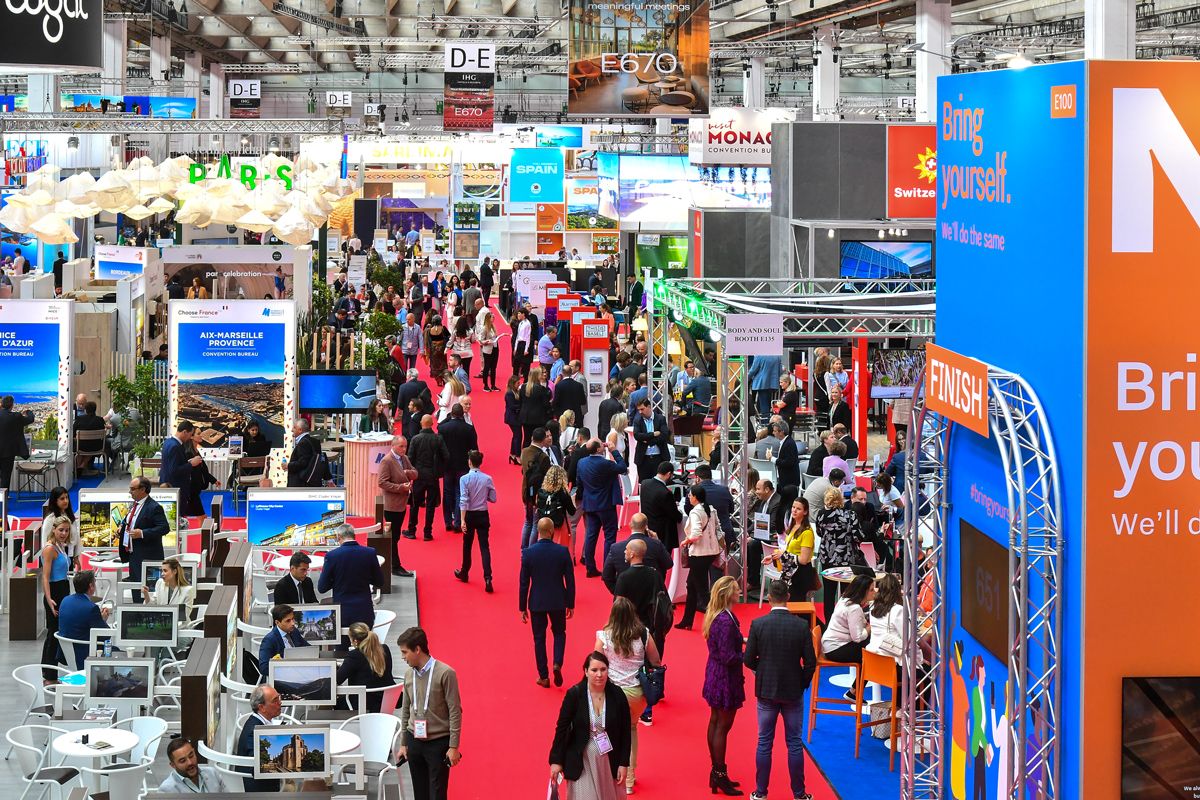
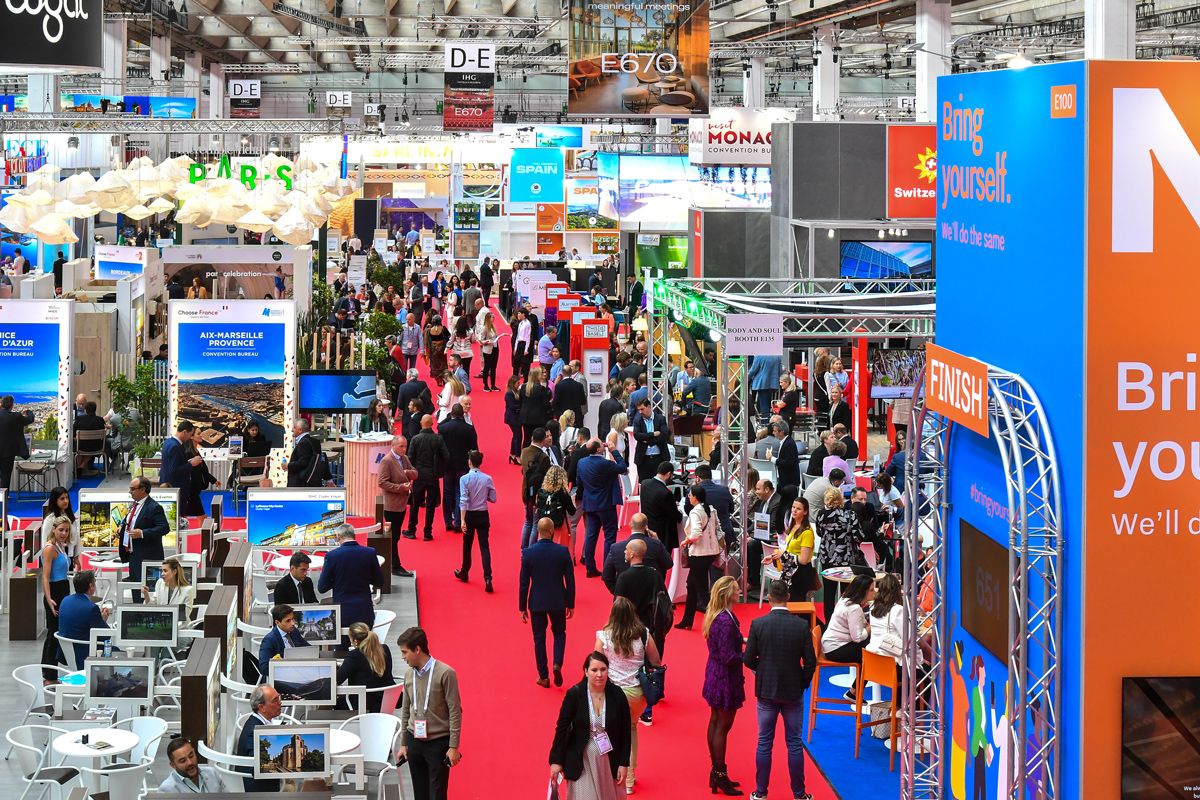
Why IMEX 2025 Was More Than Just a Trade Show
Fri, May 23, 2025 4 Mins
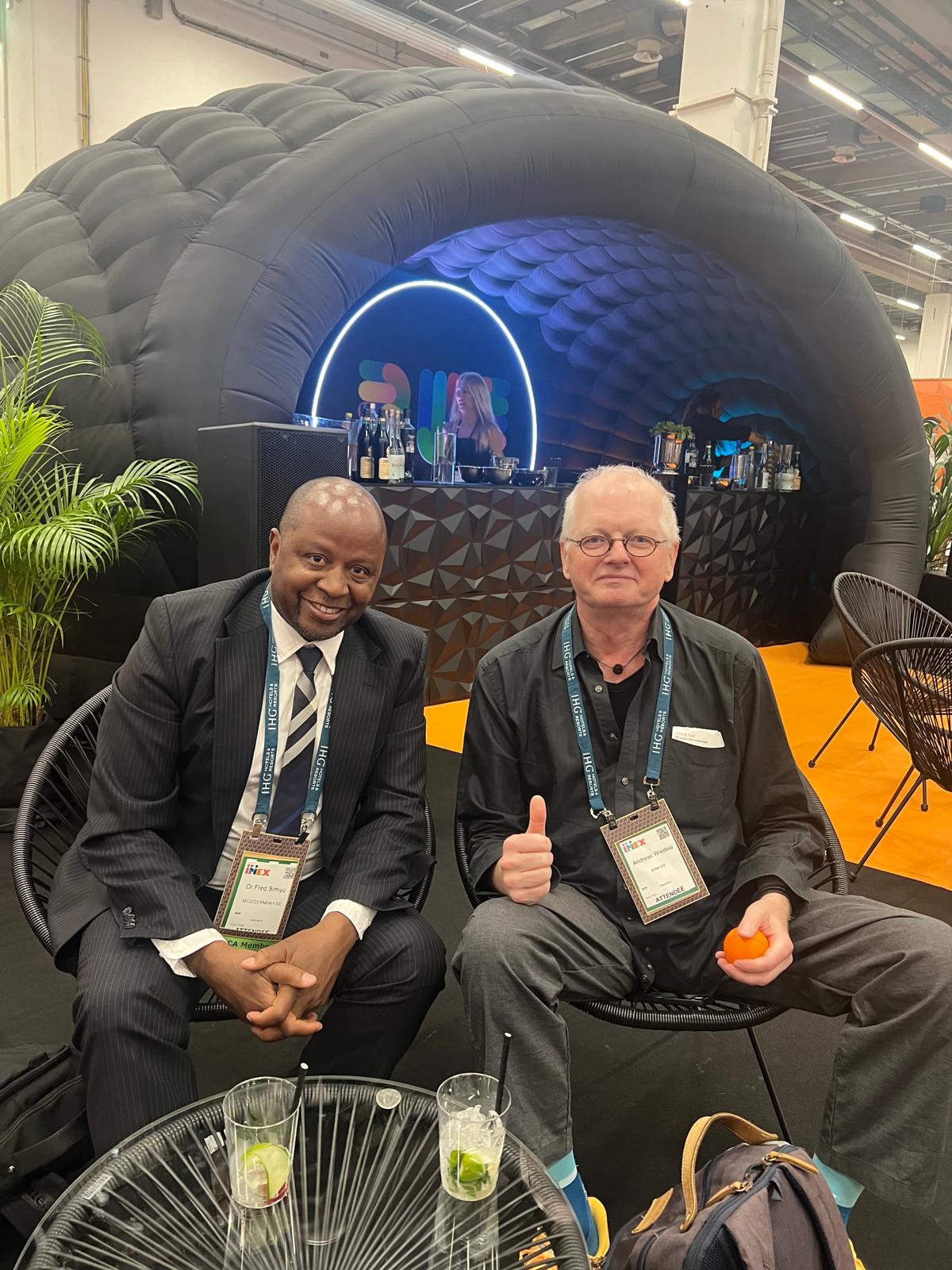
Chairman of MICEgermany.de Showcases Innovation at IMEX Frankfurt 2025
Thu, May 22, 2025 6 Mins
Record-Breaking IMEX Frankfurt Kicks Off, Celebrating Global Industry Growth
Thu, May 22, 2025 3 Mins

Emotional Design and Human Connection Lead Conversations on Opening Day of IMEX Frankfurt 2025
Wed, May 21, 2025 5 Mins
Events industry prepares for IMEX Frankfurt
Tue, May 20, 2025 5 Mins