News & Updates
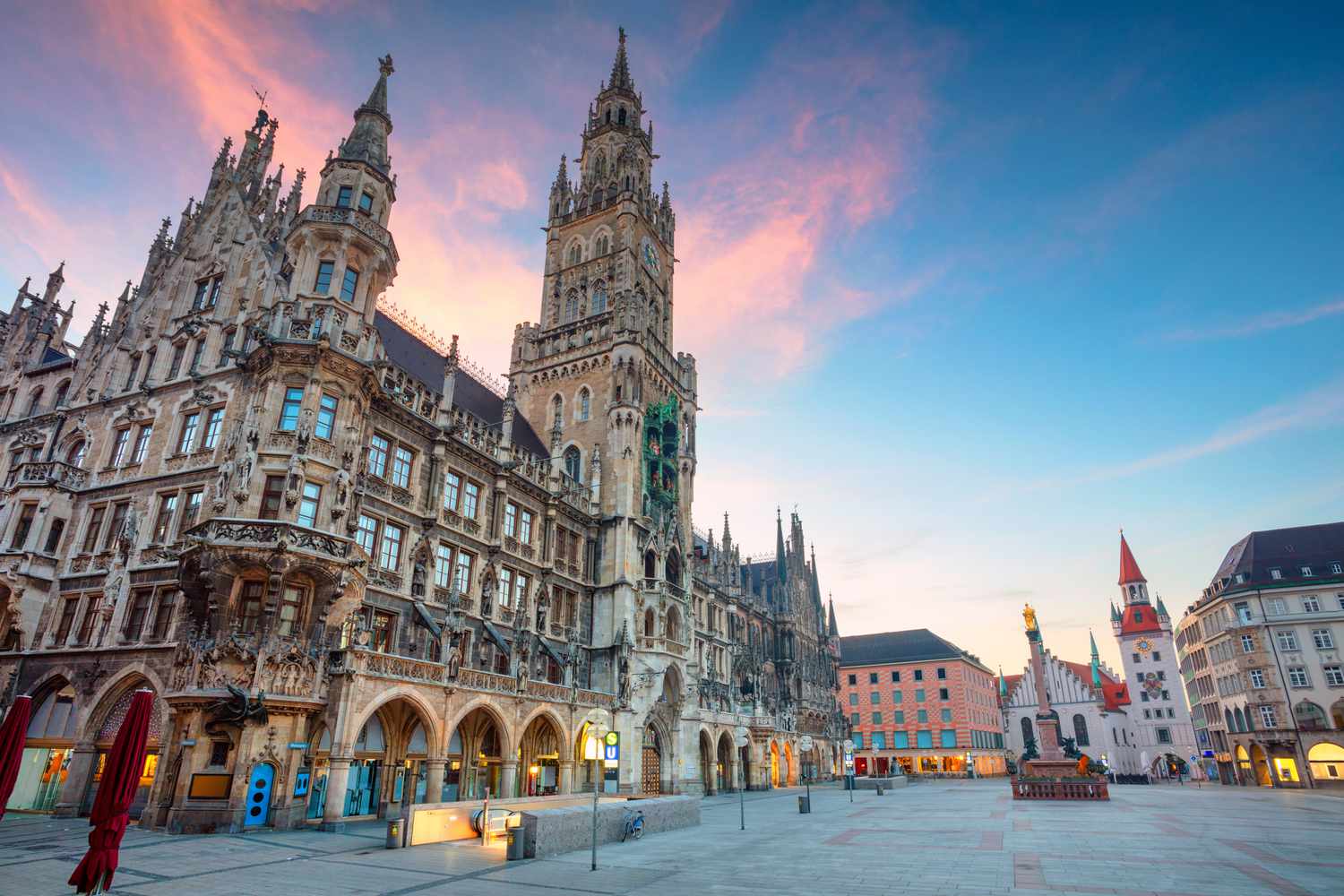
When is the best time to visit Germany? We help you decide
Kate Mann Wed, Feb 12, 2025
May to September is the best time for warmer weather
Germany’s warmest period is sandwiched between cherry blossoms in the spring and golden leaves in the autumn. July and August normally see the highest temperatures, but can also bring moody thunderstorms, sudden downpours and even hail.
Those heading for the cooler coast should still aim for these hottest months (despite the crowds), while those planning on hiking, cycling, or other outdoor activities might want to plan something during the more stable conditions either side. School holidays are staggered by state in Germany but run from June through to September.

September and October are the best times for a beer festival
Munich’s Oktoberfest kicks off in late September and runs until the start of October. During this time, hotel prices rise steeply and places are booked up months in advance. If you’re not interested in the event, then this is not the best time to visit the city. To experience something similar, with fewer people, there’s the Starkbierfest (strong beer festival) in spring or a number of other folk festivals throughout the year.
Elsewhere in the country, late summer is the peak season for wine-related celebrations such as the Stuttgart Wine Festival, the Rheingau Wine Festival in Frankfurt and the Wurstmarkt in Dürkheim.
March to May and October to November are the best times for budget travelers
The weather during these months can be unpredictable, but should no longer feel like the depths of winter. These off-peak shoulder seasons are a great time for budget travel thanks to lower rates for accommodation and lower demand. Expect quieter inner-cities and old towns, as well as top sights without the crowds. Be prepared to adapt your itinerary and wardrobe according to the forecast.

December is the best time for Christmas markets
Opening towards the end of November and running all the way up to Christmas, Germany’s markets bring hot mulled wine and smoky sausage grills to towns, villages and cities up and down the country.
A trip during this time will help get you in the festive mood and might even offer some snow, but you won't be the only one with the idea. Popular with locals and international visitors alike, this time could see an increased demand for accommodation, especially in hot spots such as Nuremberg and Dresden.

January to March is the best time for skiing
The skiing season starts in earnest after Christmas, with the Alps and resorts such as Garmisch-Partenkirchen between a one to two hour drive from Munich airport. In places without a good covering of snow, this time of year can feel cold and dark. The cafe culture in cities such as Berlin can help take the edge off with cozy candle-lit hangouts, but beware of the icy streets outside. Pack a heavy-duty jacket.
In some parts of the country, including cities such as Mainz, Dusseldorf and Cologne, the start of the year sees the build up and culmination of Fasching or carnival ahead of Lent. Expect colorful processions and a party atmosphere – a good way to forget about the weather.
NOTE: To book venues and events, visit: www.micegermany.de
More articles for you
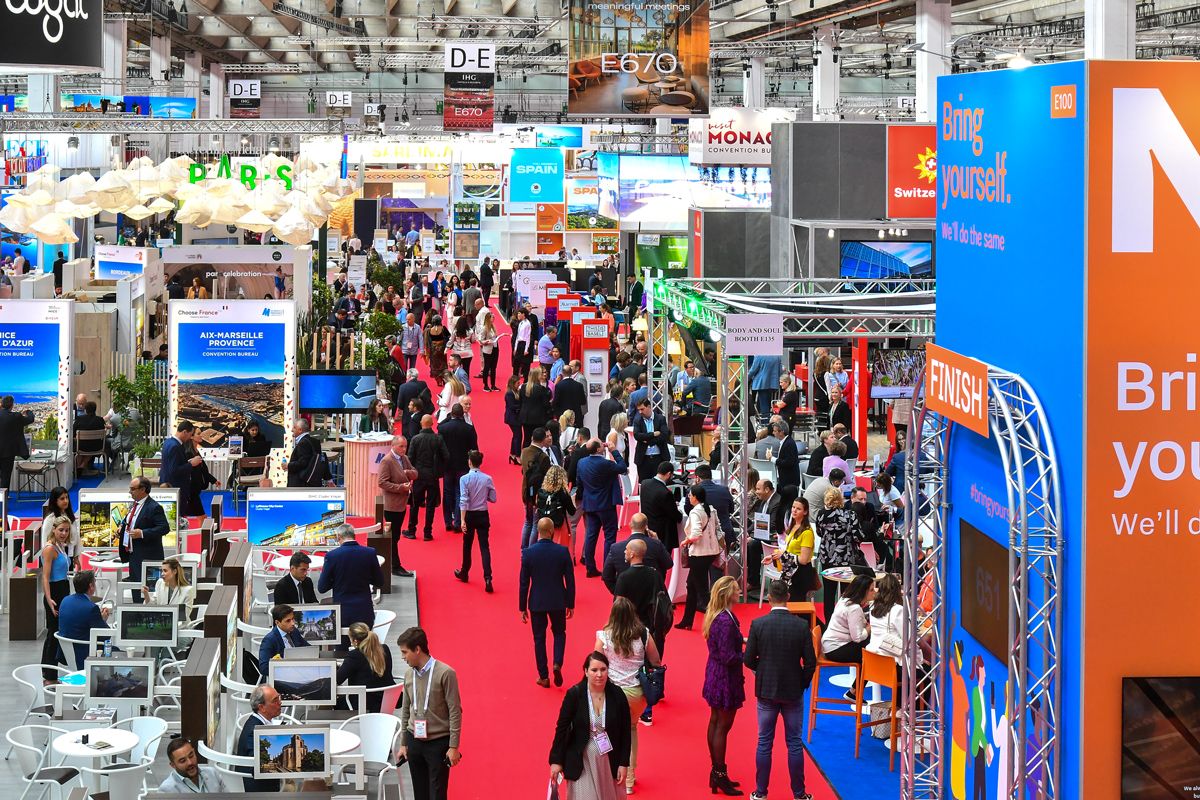
Why IMEX 2025 Was More Than Just a Trade Show
Fri, May 23, 2025 4 Mins

Chairman of MICEgermany.de Showcases Innovation at IMEX Frankfurt 2025
Thu, May 22, 2025 6 Mins

Record-Breaking IMEX Frankfurt Kicks Off, Celebrating Global Industry Growth
Thu, May 22, 2025 3 Mins

Emotional Design and Human Connection Lead Conversations on Opening Day of IMEX Frankfurt 2025
Wed, May 21, 2025 5 Mins

Events industry prepares for IMEX Frankfurt
Tue, May 20, 2025 5 Mins